
The Medicine Is Real. So Is the Work (What Healing with Psychedelics Actually Looks Like).
Let me be honest about something up front: I didn't come to psychedelic work because it was trendy. I came to it because I kept watching people sit in my office carrying wounds that traditional therapy could touch but couldn't always reach. And then I started watching the research.
Over the past few years, the clinical data on psychedelic-assisted therapy has become impossible to ignore. Studies show that psilocybin is producing sustained depression remission in more than half of participants at six months out. MDMA-assisted therapy has shown lasting PTSD symptom relief in the majority of veterans and first responders who went through the trials. Ketamine-assisted therapy for alcohol use disorder has reached an 86% abstinence rate over six months in some studies. These are not small numbers.
But here's what the headlines tend to leave out: the medicine is not the therapy. The medicine is a door. What happens when you walk through it, who is with you, and what you do with what you find on the other side, that's the work. That's where I come in.
What the Research Is Actually Saying
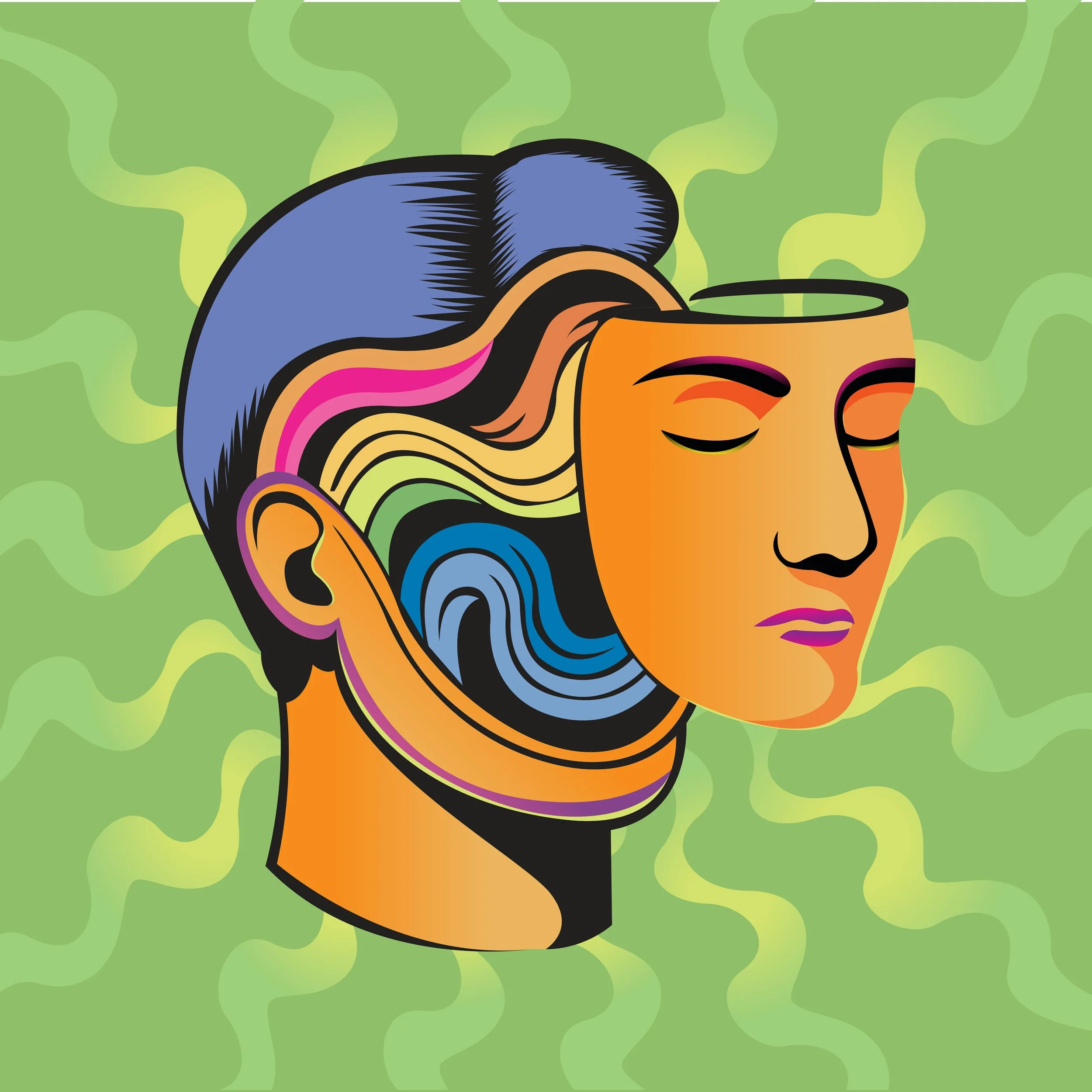
The neurobiological picture is fascinating. Psychedelics temporarily disrupt something called the default mode network, which is essentially the part of the brain responsible for your habitual, self-referential thought patterns. The story you've been telling about yourself for thirty years. The way you brace before intimacy. The background hum of shame you've just called 'normal.'
When that network goes quiet, something opens. People describe it differently. Some call it clarity. Some call it grief finally moving. Some describe it as the first time they saw themselves from outside the story.
What the research tells us is that this window of neuroplasticity, this period when the brain is literally more flexible, is also when therapeutic support matters most. The studies that show the most lasting results are the ones that pair the medicine with significant preparation before, deep relational presence during, and structured integration after. The medicine alone moves things around. Good therapy helps you decide where they go.
What I Do in This Work
I'm a licensed psychotherapist trained in ketamine-assisted psychotherapy (KAP) and psychedelic integration. For clients in Colorado, I offer KAP in coordination with a prescribing medical provider who handles the clinical assessment and dosage. What I bring is the relational container: the preparation sessions where we understand what you're carrying, the support during the experience itself, and the integration work after, which is honestly where the real transformation gets consolidated.
Integration is the part most people don't talk about. After a significant psychedelic experience, you may have seen or felt something profound. But unless you have a space to metabolize it, to let it land in your body and your relationships and your actual daily life, it often fades like a vivid dream. That's not failure. That's just how the psyche works. It needs help translating.
I work with clients on psychedelic integration even when they've worked with medicines outside of a clinical setting. If you've had a significant experience, with psilocybin, with ayahuasca, with any plant medicine, and you're trying to make sense of what opened, I can help with that too.
Who This Is For
Not everyone is a good candidate for psychedelic-assisted therapy, and I'll always be honest about that. I work primarily with people navigating treatment-resistant depression, trauma, grief, and significant life transitions, including the identity upheaval of becoming a parent, career changes, and the kind of stuck that feels like nothing is moving no matter what you try.
What I'm not is a shortcut vendor. This work requires readiness, intention, and a real commitment to integration. But for people who are genuinely ready, it can open things that years of conventional work haven't touched. And that is worth taking seriously.
A Note on the Legal Landscape
Ketamine is legal and available by prescription in Colorado. Psilocybin therapy is in an evolving regulatory space. I stay current on what's available, what's coming, and what's ethical. If you're curious where things stand or whether any of this applies to your situation, the best thing to do is schedule a conversation. No obligation, just clarity.
If this work is calling to you, I'd love to talk. You can book a free 15-minute consult at calendly.com/witnessingyou/15min-consult.